
FROM THE ENGINEERING DESK
Deep dives, architectural breakdowns, and field-tested guidance from the engineers who build and operate production systems every day.

Designing fault-tolerant systems that span multiple AWS and Azure regions is no longer a luxury reserved for hyperscalers. This guide walks through traffic distribution, data replication strategies, and automated failover patterns that keep services running when an entire region goes dark.

Most machine learning projects stall between the notebook and production. We break down a complete MLOps architecture covering data ingestion, feature stores, model training on Kubernetes, and serving with latency budgets that satisfy real-time applications.

The perimeter is dead. This article lays out a phased framework for adopting zero trust principles without halting your business — covering identity-aware access, micro-segmentation, and continuous verification across hybrid environments.
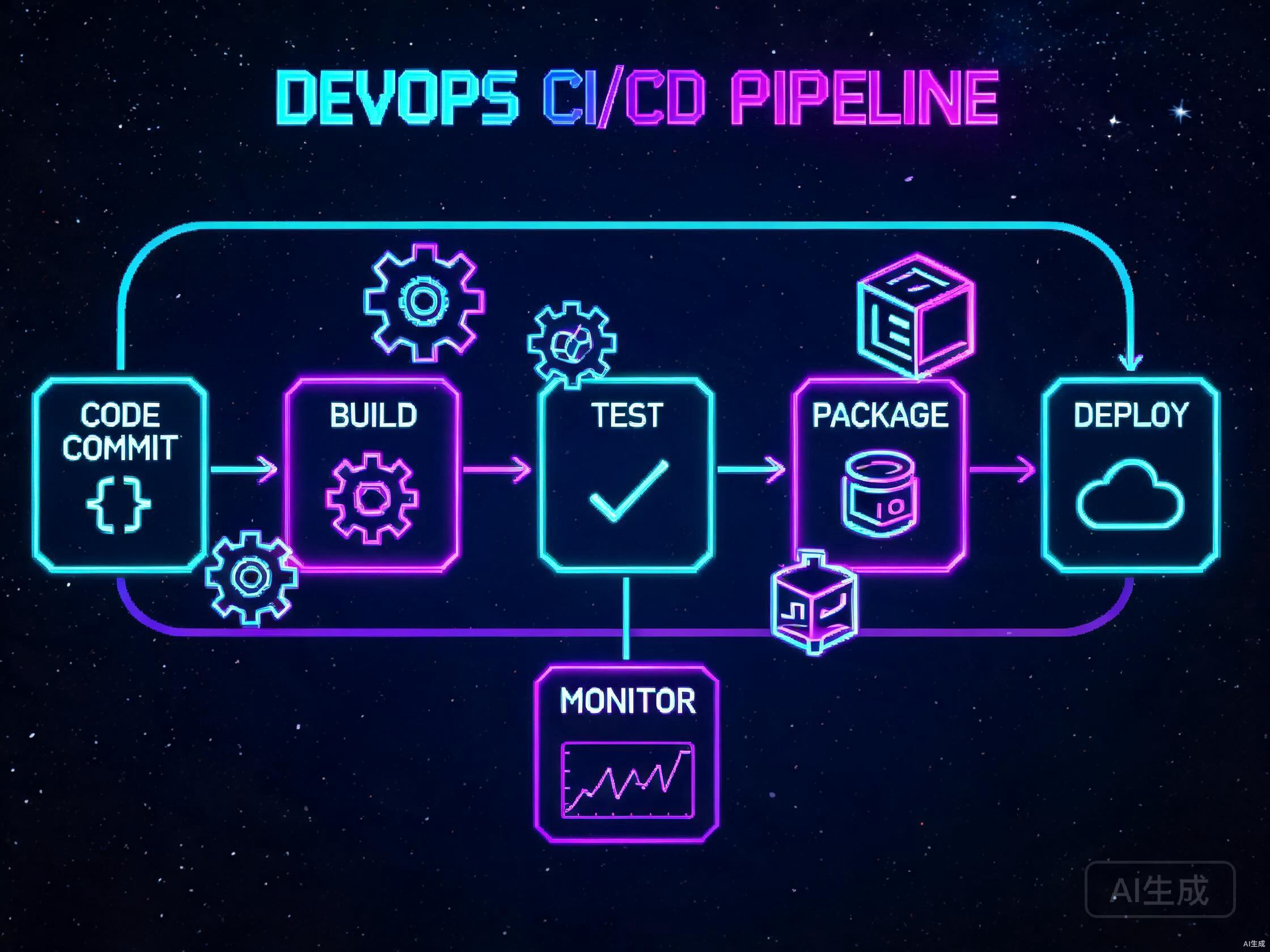
Plenty of teams have a pipeline, but few have one they trust. We examine the patterns that separate fragile CI/CD from resilient delivery systems — from deterministic builds and progressive delivery to the observability hooks that catch regressions before users do.
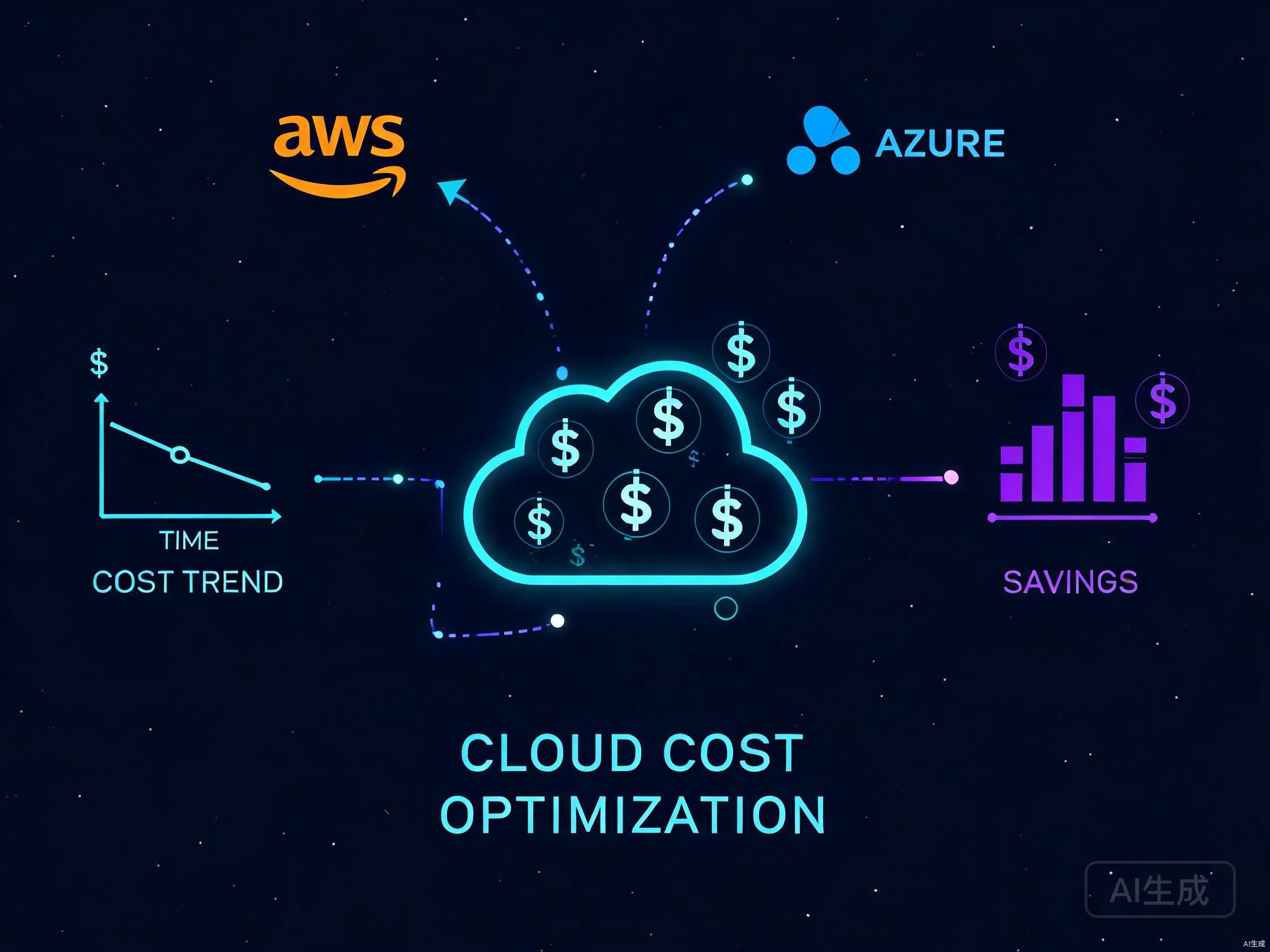
Cloud spend creeps upward silently until it dominates your infrastructure budget. This article details the committed-use discounts, autoscaling calibrations, and storage lifecycle policies that consistently deliver double-digit savings without sacrificing performance.
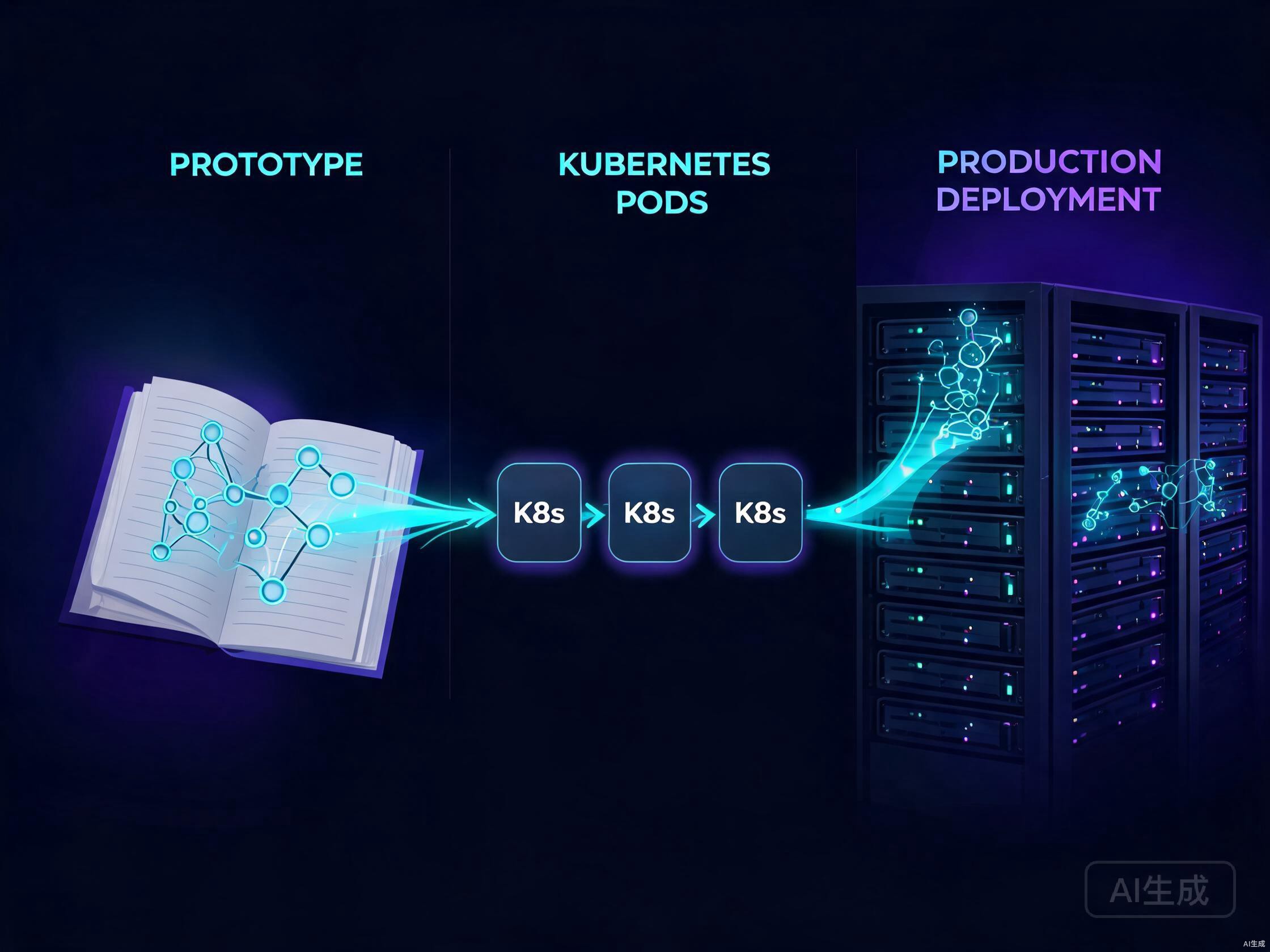
Australian organisations are moving past AI experimentation, yet the path from demo to dependable production system remains poorly understood. Drawing on engagements across finance, healthcare, and retail, we map the common failure points and the engineering decisions that change the outcome.
FEATURED INSIGHT
A closer look at the security framework reshaping how modern infrastructure is defended.

For decades, enterprise security relied on a hardened perimeter — a fortress model where everything inside the network was trusted by default. That assumption has collapsed. Cloud adoption, remote workforces, and increasingly sophisticated supply-chain attacks have dissolved the boundary that perimeter security was built to defend.
Zero trust flips the model: no user, device, or workload is trusted by default, regardless of its location. Every request is authenticated, authorised, and continuously verified against policy. In this deep dive, we walk through a phased adoption framework that begins with identity consolidation, moves through micro-segmentation of critical workloads, and culminates in continuous telemetry-driven verification.
We also share the practical pitfalls we have seen in the field — from over-scoped initial rollouts that stall momentum, to monitoring gaps that leave teams blind to lateral movement. The goal is not perfection on day one, but a deliberate, measurable journey toward a posture where trust is earned, verified, and never assumed.
Subscribe to receive new engineering articles, technical breakdowns, and industry perspectives directly from the LABU team. No noise, no spam — just signal.
Unsubscribe anytime · We respect your privacy